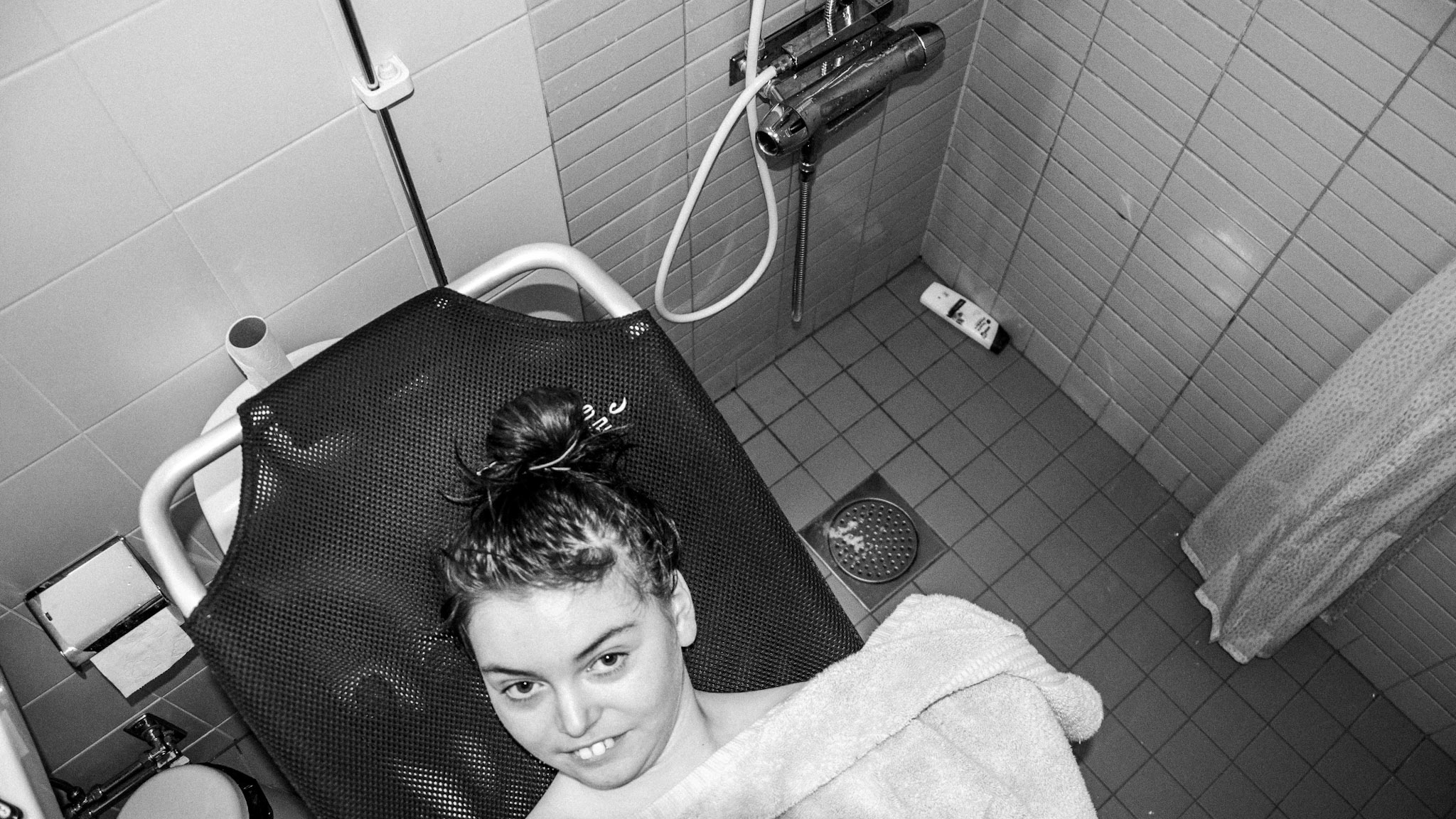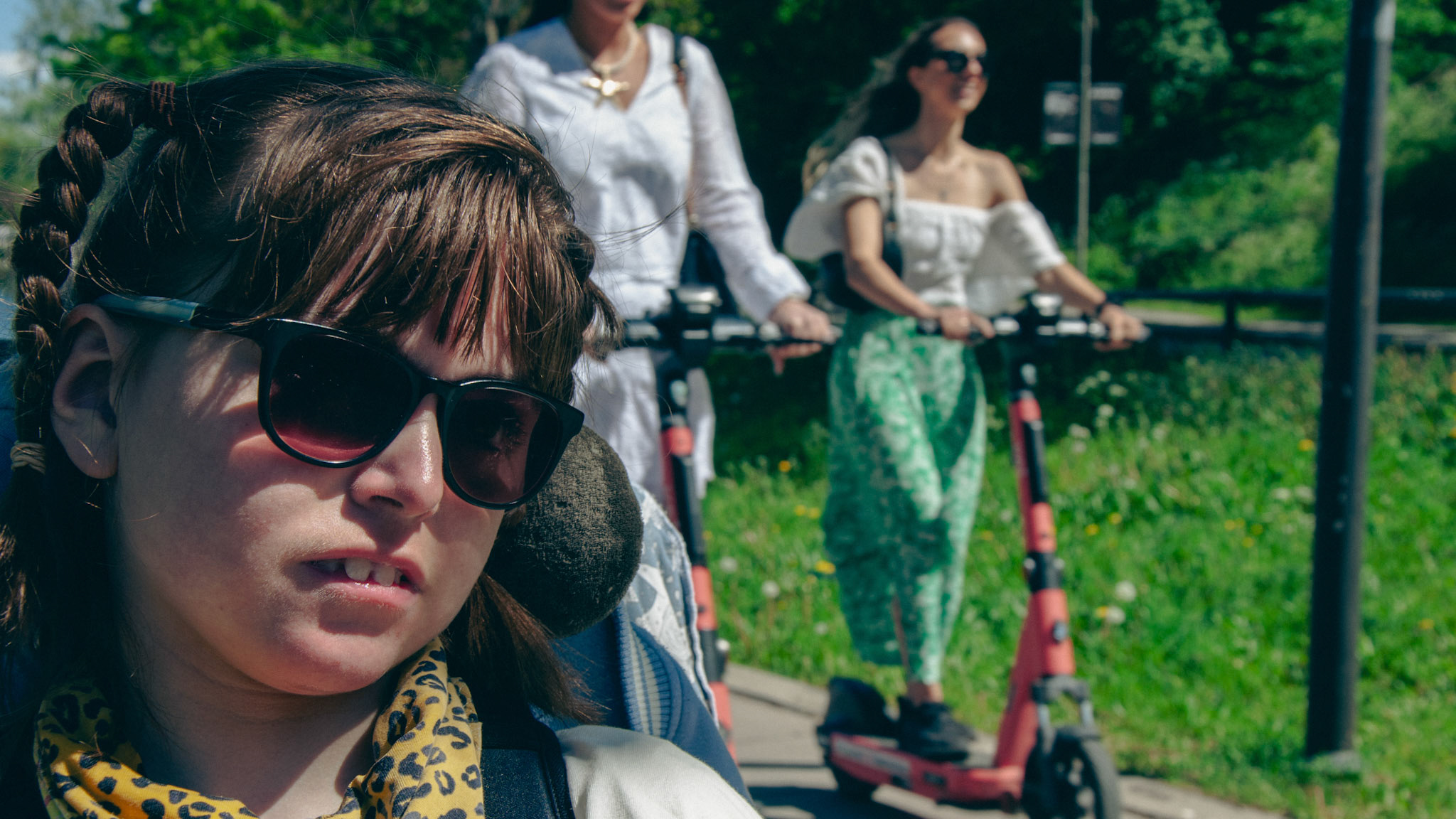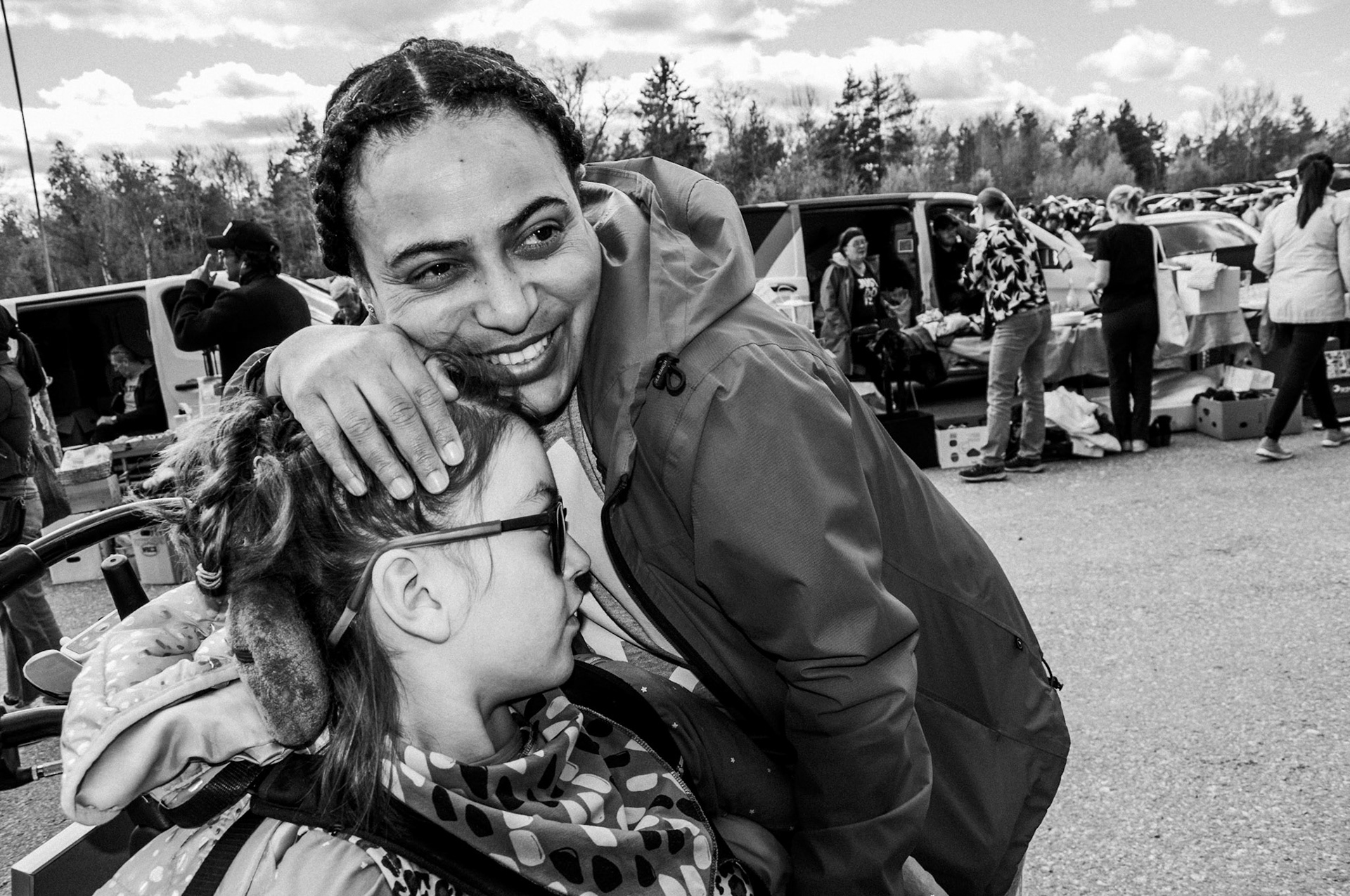
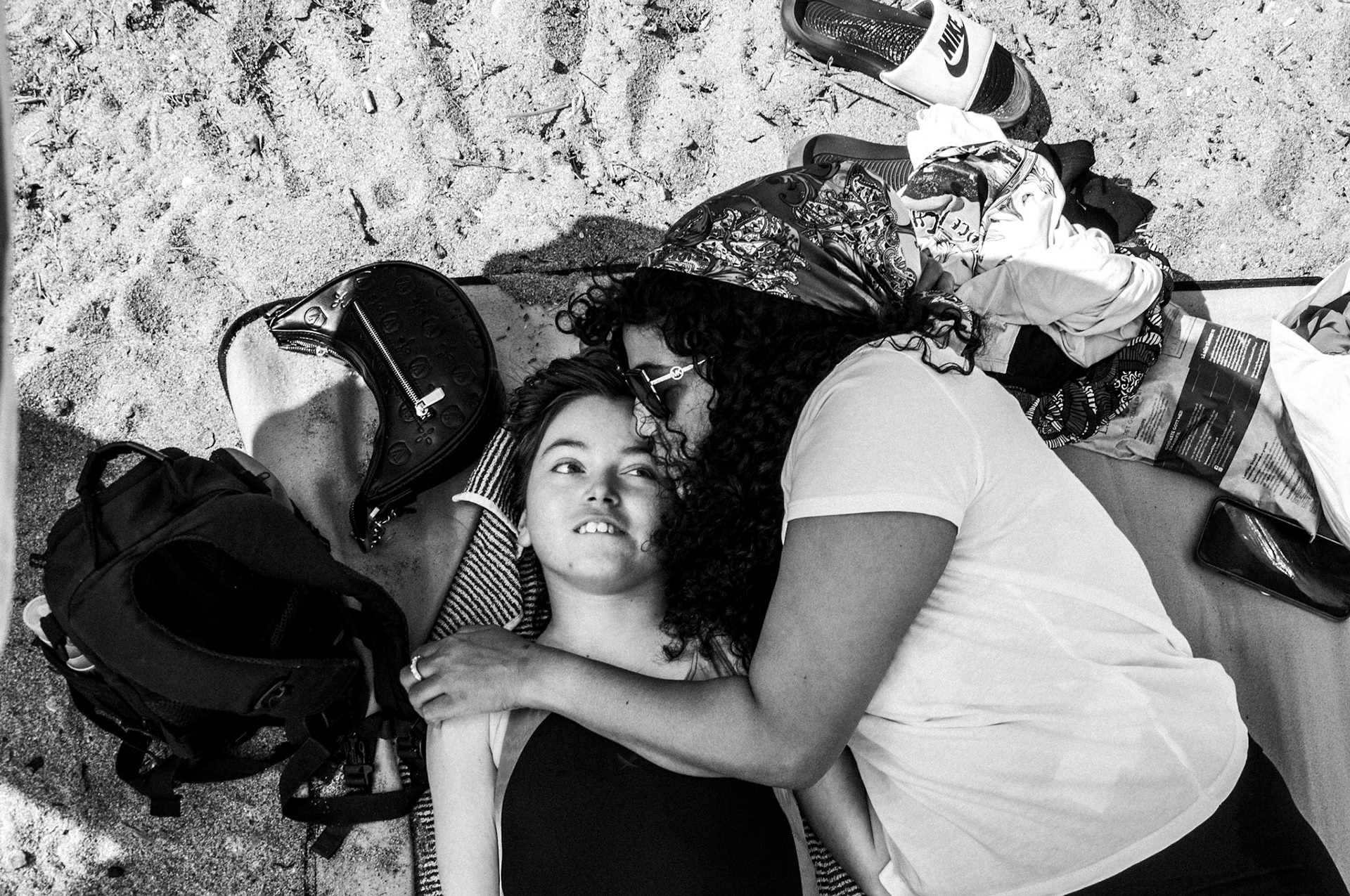
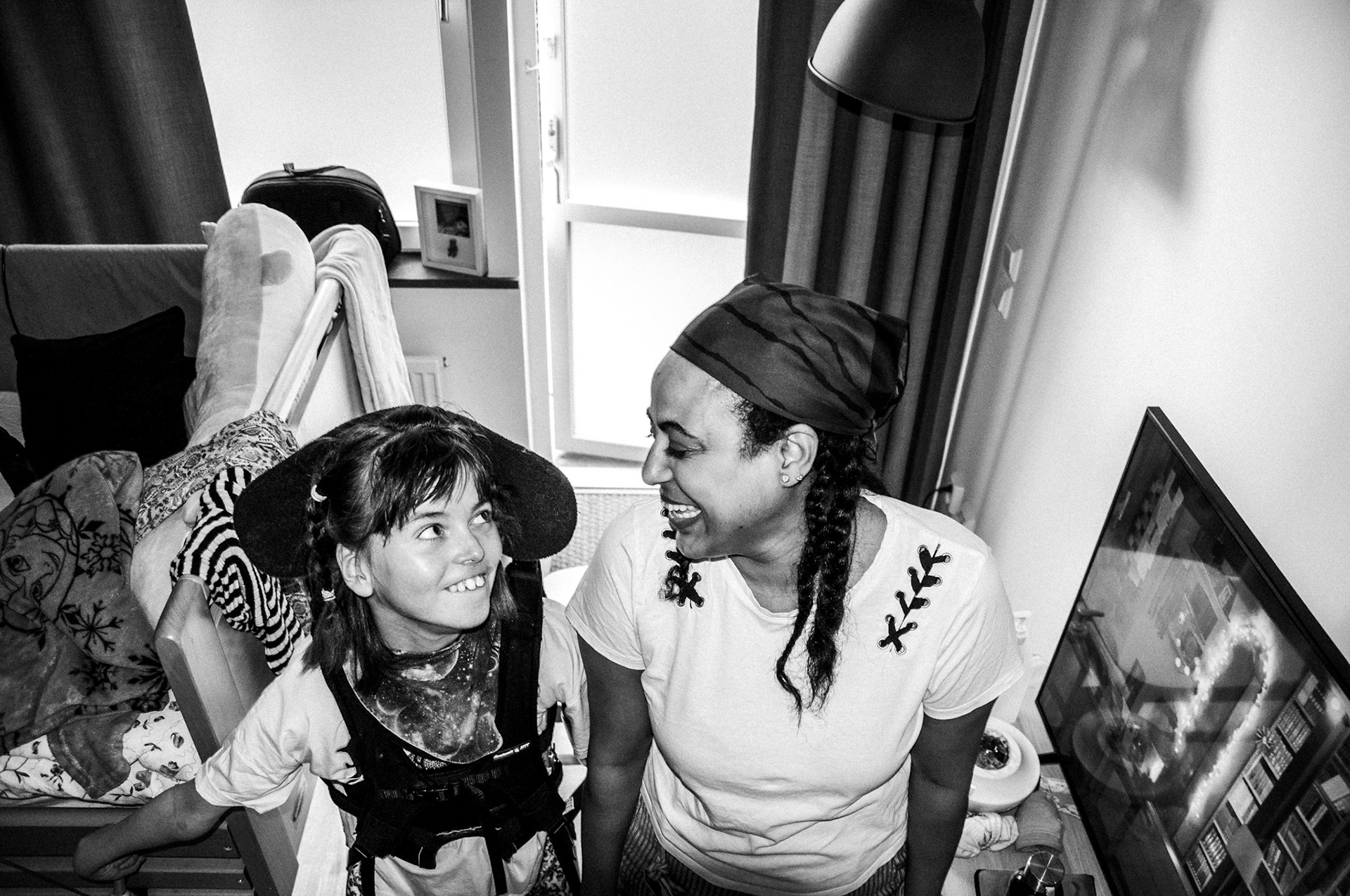
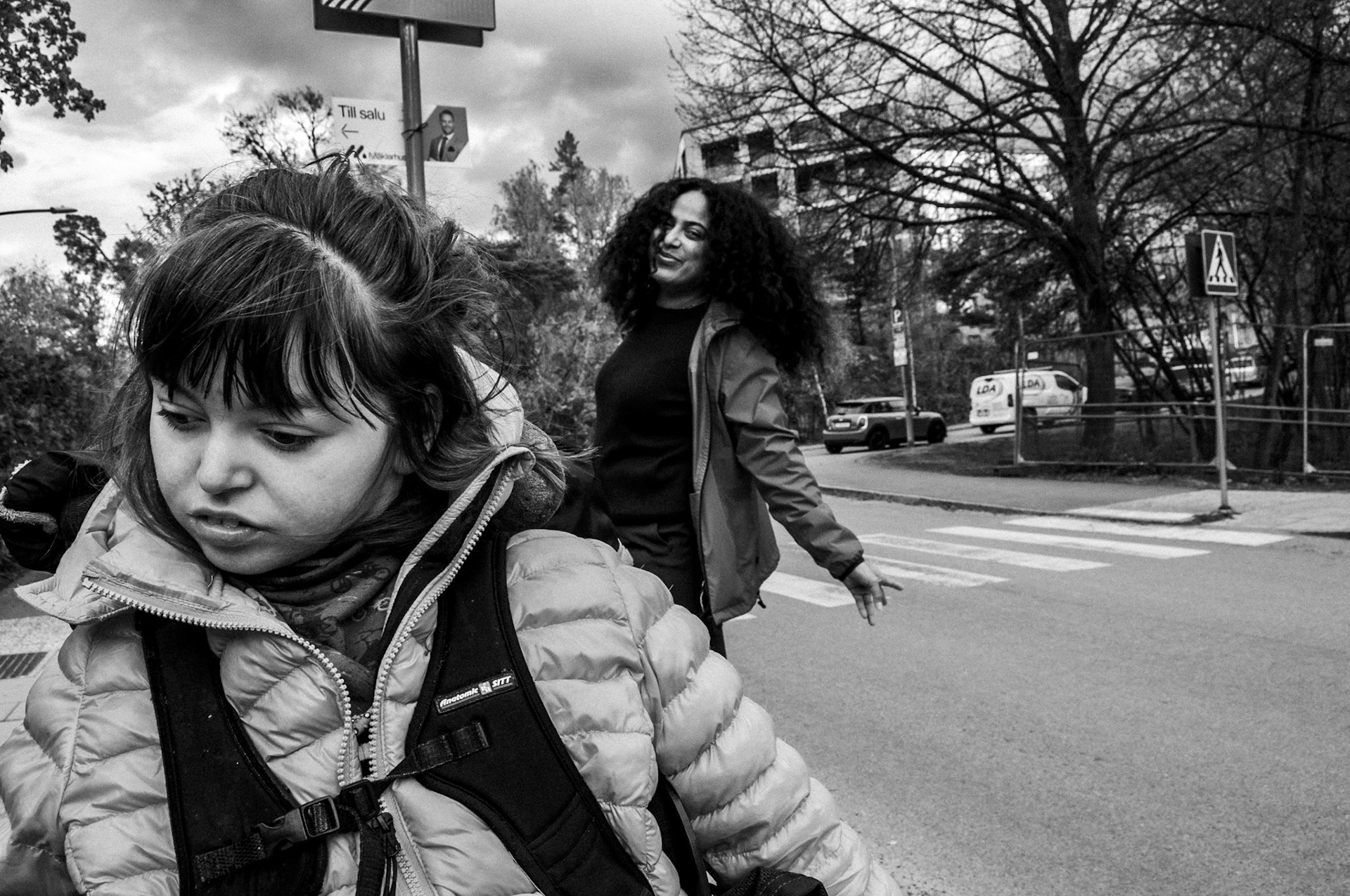
“I love you, my little sister,” Helen whispers at bedtime, as her hand gently strokes Selma’s forehead. Selma responds by letting her gaze rest lovingly in Helen’s eyes. Such an everyday scene would have been unthinkable thirty-three years ago. Before the Swedish Act Concerning Support and Service for Persons with Certain Functional Impairments – LSS – came into force, fourteen-year-old Selma would most likely have lived in an institution. Or not survived at all. Today she lives at home, surrounded by her family, and spends most of her free time with her beloved assistant Helen. Helen comes originally from Ethiopia. She lives in Sweden under asylum, having fled civil war, ethnic persecution, and threats of rape. Once, she was a small business owner, selling whisky to restaurants and hotels. Then everything changed. She first became a hotel cleaner in Luleå – and later Selma’s personal assistant in Stockholm. That their paths should have crossed is nothing short of a miracle. What are the chances? Who could have imagined it? Now they are like sisters, at times like mother and daughter – and always assistant and user. “Selma is like a dove. She flies close to God,” Helen often says. For Helen, Selma is a comfort in an otherwise comfortless world. For Selma, Helen is her voice, her arms, and her legs. They share more than the everyday. They both know what it is like not to be understood, to be constantly questioned – by people around them, by politics, by the authorities. Life is conditional, demanding proof of integrity again and again. At the same time, many of society’s doors remain closed. Yet in the margins, where few expect anything to grow, their unconditional love has taken root and flourished.